Tailor Needle: A Whimsical Craft Fair Standout
First Impression: Charming, Approachable, and Instantly Recognizable
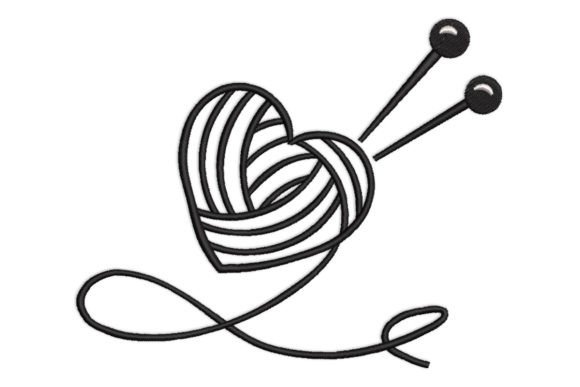
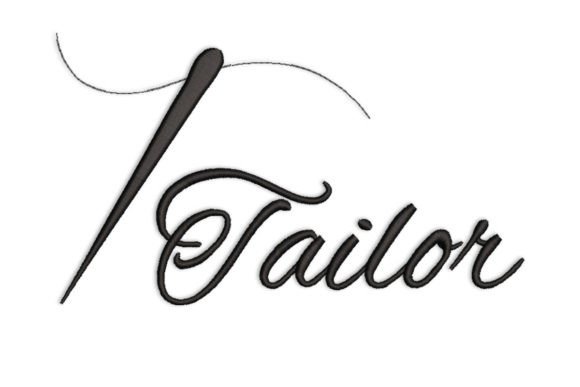
As an embroidery designer who’s prepped over 200 craft fair booths—from snowy Vermont markets to sun-drenched Southern pop-ups—I opened Tailor Needle expecting something light, clever, and quietly confident. The name alone delivers: “Tailor” evokes skill and care; “Needle” adds warmth and handmade authenticity. It doesn’t scream “festive” or “minimalist”—it lands softly in the sweet spot between rustic charm and modern wit. That’s gold for handmade markets. Customers don’t pause to decode it—they smile, lean in, and say, “Oh, I *get* that.” That immediate resonance is rare, and Tailor Needle nails it.
Where It Shines: Real Craft Fair Products, Tested & Trusted
In my booth lineup—embroidered tote bags, linen aprons, organic cotton tea towels, twill caps, embroidered patches, drawstring fabric pouches, and pillow covers—Tailor Needle consistently draws attention on three key items:
- Tote bag design: Centered on a natural canvas tote, it reads clearly from six feet away. Its balanced proportions and clean line work translate beautifully at 4–5 inches wide—big enough to feel intentional, small enough to leave room for hand-stitched edges or branded tags.
- Tea towel embroidery: On flour-sack or waffle-weave towels, Tailor Needle feels both functional and giftable. It avoids fussy detail that would snag or fray with washing—instead, it uses confident outlines and open negative space, letting the fabric breathe.
- Embroidered patch: As a sew-on or iron-on patch, Tailor Needle holds up across scales. At 2.5 inches, it’s legible on denim jackets; at 1.75 inches, it charms on small pouches or market bag tags. Its whimsy reads as premium, not childish—a subtle win for boutique makers targeting adult buyers.
What Holds It Back (And How to Work Around It)
Like any strong machine embroidery design, Tailor Needle isn’t universally forgiving—and that’s where smart production choices matter. On textured towels or thick twill caps, dense stitch areas may flatten or blur if stabilizer is underused. Tiny details (like fine needle eyes or thread loops) can vanish on dark fabric unless thread colors are high-contrast—think ecru on navy, or charcoal on oatmeal. And while it scales well down to ~1.5 inches, going smaller risks losing its expressive charm—so skip it for tiny keychain tags or micro-patches.
Curved surfaces—like baseball caps—require careful hooping and possibly reduced stitch density to prevent puckering. Always test Tailor Needle on scrap fabric matching your final product’s weight and texture. Don’t assume the default embroidery file settings will translate seamlessly across cotton sateen, terry cloth, or recycled polyester.
Selling Power: Booth Impact, Online Appeal, and Buyer Connection
In person, Tailor Needle strengthens booth cohesion. When paired with neutral linens, wood tags, and muted thread palettes, it becomes a quiet signature—not loud, but unmistakably yours. It invites conversation (“Is that a real needle?” “Do you make those yourself?”), which is half the battle at a crowded craft fair.
Online, it photographs exceptionally well. Its clean lines render sharply in natural light, and its whimsy translates even in flat-lay Etsy listings. Pair it with a printable mockup showing the design on three products (tote, towel, patch), and you’ve got instant visual storytelling—no copy needed. Buyers recognize it as a small shop product with intention, not mass production.
Most importantly, Tailor Needle elevates perceived value without raising price points. An unembellished tea towel sells for $22; one with Tailor Needle commands $32–$36—because it signals craftsmanship, personality, and attention to detail. That’s how handmade quality becomes tangible.
Production Notes Every Embroidery Designer Should Run Before Booth Day
This isn’t just about stitching—it’s about consistency, clarity, and commercial confidence. Before batch-producing Tailor Needle for your next market run, do these six things:
- Test on scrap fabric—not just muslin, but the *exact* fabric you’ll use (e.g., heavyweight cotton duck for aprons, looped terry for towels).
- Check thread contrast against every fabric color in your lineup. Light threads on light fabrics? Add a subtle satin stitch outline or switch to matte poly for depth.
- Review spacing and stitch density. If the file includes fill areas near fine lines, reduce density by 5–10% on textured surfaces to avoid stiffness.
- Confirm hoop size compatibility with your machine and most-used hoops. If it pushes the edge of a 5x7 hoop, consider simplifying one element—or invest in a larger hoop for consistent output.
- Use the right stabilizer: cutaway for knits and caps, tear-away for stable wovens like tea towels, and fusible + tear-away for lightweight linens.
- Create at least one real mockup—not digital, not printed, but stitched, washed (if applicable), and photographed in your booth lighting. Compare how it looks on white vs. oat vs. indigo fabric. Then confirm commercial licensing applies before selling finished products.
Final Thought: Why Tailor Needle Fits Your Creative Business—Not Just Your Hoop
Tailor Needle isn’t just another digital embroidery file. It’s a brand amplifier. It works for the Etsy seller building a cohesive shop identity, the commercial embroidery pro scaling custom orders, and the weekend maker turning fabric scraps into joyful craft fair product. It bridges Sewing and Embroidery with grace—neither overly technical nor cutesy. It respects the buyer’s intelligence while delivering delight. In a market flooded with generic florals and overworked scripts, Tailor Needle stands out by being simply, thoughtfully, and unmistakably *human*. That’s why it sells—not once, but repeatedly—across tote bags, tea towels, patches, and beyond. Stitch it with care, display it with pride, and watch customers reach for the story behind the stitch.