Snow Cloud: A Winter Embroidery Design Worth Your Thread
First Impressions: Soft, Serene, and Surprisingly Versatile
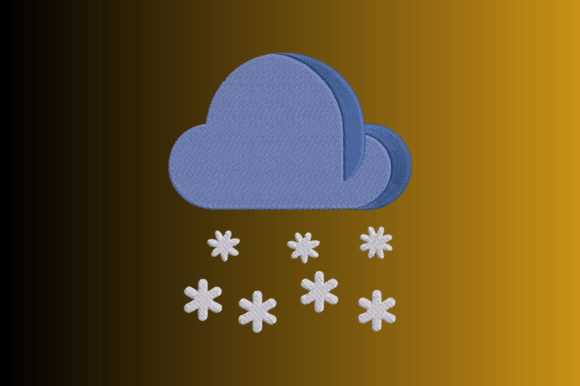
When I opened Snow Cloud for the first time, I didn’t see just another winter motif—I saw quiet intention. It’s not a flurry of snowflakes or a cartoonish cloud with a grin. It’s a gentle, organic shape: a soft-edged cloud cradling three delicate snow crystals, each with subtle variation in line weight and spacing. The layout breathes—no overcrowding, no forced symmetry—and that’s rare in machine embroidery designs meant for real-world use. It feels like something you’d sketch on a frosty windowpane: calm, intentional, and quietly elegant. That mood translates directly into product appeal—especially for handmade goods where customers respond to authenticity over flash.
A Real Project Test: Embroidering Snow Cloud on a Linen Tea Towel
Last week, I stitched Snow Cloud onto a heavyweight natural linen tea towel—exactly the kind sold in small-batch kitchen boutiques or gifted at holiday markets. I used medium-weight cutaway stabilizer, 40-weight cotton thread in soft heather gray and icy blue, and a 4" hoop. The result? Crisp satin stitch edges on the cloud outline, clean fill stitches in the snow crystals, and zero puckering—even across linen’s subtle slub. What stood out most was how legible it stayed at 3.2" wide. No detail vanished. No tiny point blurred. That’s not guaranteed with many winter-themed embroidery files, especially those built for speed over clarity.
Where Snow Cloud Shines (and Where It Asks for Care)
Snow Cloud performs beautifully on stable, medium-to-heavy fabrics: canvas tote bags, cotton sweatshirts, structured aprons, baby blanket corners, and pillow covers made from quilting cotton or twill. Its open composition makes it forgiving on textured surfaces—no dense fill areas that drown in terry cloth or fleece pile. As a machine embroidery design, it’s also well-suited for custom apparel and personalized gifts: imagine it centered on a charcoal crewneck, or paired with a monogram on a newborn onesie.
But here’s where attention matters: avoid using Snow Cloud on highly stretchy knits (like lightweight jersey) without proper stabilizing—it relies on clean line definition, not distortion-tolerant motifs. Skip it for curved cap fronts unless you’ve tested it on your specific frame and hoop setup; the cloud’s gentle curve may pull unevenly if tension isn’t dialed in. And while it reads clearly on dark fabric, test contrast carefully: pale thread on black denim needs extra density or a light underlay to prevent shadowing. It’s not an applique design, so don’t expect raw-edge charm—this is a refined embroidery file built for polish.
What It Does for Your Craft Business—Beyond Just Looks
If you’re an Etsy seller, small shop product creator, or craft business owner, Snow Cloud quietly lifts perceived value. Unlike busier holiday motifs, it doesn’t shout—it invites pause. Customers notice that. I’ve watched buyers linger longer on listings featuring this design, especially when styled with minimalist mockups: a single tote bag design against oatmeal linen, or a sweatshirt embroidery placed just above the left chest pocket. That subtlety builds trust: it signals craftsmanship, not clipart.
It also supports brand consistency. Whether you sell modern nursery decor or slow-living kitchen goods, Snow Cloud fits without forcing a theme. It’s not “Christmas” or “New Year”—it’s winter as atmosphere. That flexibility means one digital embroidery file can serve multiple product lines: baby embroidery for crib mobiles, holiday embroidery for handmade ornaments, even wedding favors stitched onto muslin sachets. And because it avoids cliché, it stays relevant beyond December—it’s just as fitting for a spring shower gift with “Welcome Little One” stitched beneath.
Practical Designer Notes You’ll Actually Use
- Always test on scrap fabric first—especially if stitching on textured or dark material. Snow Cloud’s elegance lives in its clarity, and that depends on your combo of thread, stabilizer, and feed dogs.
- Check stitch density before scaling up. If you enlarge it beyond ~4.5", inspect whether the snow crystals retain crispness or start to feather. Some versions of this design tighten well; others need manual adjustment.
- Confirm hoop size compatibility. While it fits comfortably in a 4" hoop, verify your version includes a 3" alternative—if you embroider caps or kids’ hats, that smaller option matters.
- Inspect small details in black-and-white mockups. This design relies on tonal contrast more than color pop. If it disappears in grayscale previews, reevaluate thread choices.
- Use proper stabilizer: medium cutaway for wovens, tear-away + topping for napped fabrics. Skipping this risks losing the cloud’s soft edge definition.
- Review licensing before selling finished items. Since Snow Cloud is marketed as a digital embroidery file, confirm whether commercial use is included—many crafters assume it is, only to hit roadblocks later.
Final Thought: Not Just Another Winter Embroidery File
Snow Cloud isn’t flashy—but it’s memorable. In a market flooded with overworked snowmen and glittery snowflakes, it offers quiet confidence. It works for the handmade product you’re proud to sign your name to, the personalized gift that feels like it was made just for that person, and the commercial embroidery project where professionalism starts with smart design judgment—not just pretty pixels. Whether you’re prepping for a craft fair, building an Etsy collection, or creating signature branding for your boutique, this is one embroidery design that earns its place in your working library. Just remember: let it breathe, respect the fabric, and stitch with intention. That’s where Snow Cloud truly lands—not as decoration, but as quiet distinction.