Panther Embroidery Design Review
First Impressions: Bold, Elegant, and Surprisingly Versatile
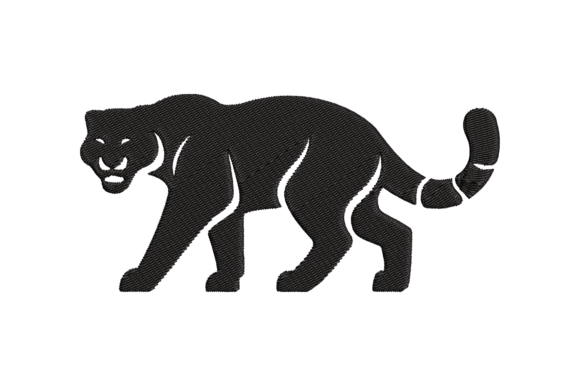
As an embroidery designer who’s tested hundreds of animal motifs for personalized gift shops, Panther immediately stands out—not with aggression, but with quiet confidence. It carries a refined wildness: sleek lines, subtle shading, and a poised expression that reads as both timeless and contemporary. This isn’t a cartoon panther or a fierce predator—it’s a graceful, almost meditative silhouette that balances strength and softness. That duality makes Panther uniquely suited for baby embroidery, wedding gifts, and family keepsakes alike. It feels handmade without looking rustic, elegant without being stiff, and modern without sacrificing warmth.
Where Panther Truly Shines in Personalized Gifting
I tested Panther across six real-world product categories we regularly fulfill for local boutiques and Etsy sellers—and each time, it elevated the perceived value of the finished product:
- Baby blankets & nursery decor: Stitched on ivory cotton voile or organic bamboo fleece, Panther adds gentle sophistication—ideal for gender-neutral nurseries. Its clean outline holds up beautifully at 4–5 inches wide, making it perfect for corner placement on swaddles or crib sheets.
- Embroidered towels & kitchen linens: On premium flour-sack cotton or waffle weave, Panther becomes a conversation starter—elegant enough for bridal shower gifts, grounded enough for everyday use. I placed it just below the towel’s folded edge for instant visual balance.
- Pillow covers & custom totes: At 6–7 inches, Panther anchors linen pillow covers with quiet authority. On canvas totes? It transforms utilitarian items into signature small shop products customers proudly carry.
- Wedding keepsakes & aprons: For monogrammed linen aprons or heirloom tea towels gifted to newlyweds, Panther adds a touch of symbolic grace—strength, protection, and intuition—without overt symbolism. It pairs effortlessly with delicate script monograms.
- Craft fair displays & Etsy listings: Panther photographs exceptionally well under natural light. Its balanced negative space and clear contours make printable mockups pop—critical when selling digital embroidery files or previewing custom orders.
Use With Intention: Where to Apply Panther Thoughtfully
Like any strong design, Panther rewards thoughtful application—and signals where extra care is needed:
- Avoid tiny lettering overlays: Panther’s confident presence competes with fine text. If adding names or dates, place them separately—below or beside the motif—not woven through its form.
- Test stitch density on textured fabric: On terry cloth or bouclé, dense fill areas may flatten or distort. Reduce stitch density slightly or opt for satin-stitch outlines only for maximum clarity.
- Stabilize generously for stretchy baby clothes: While stunning on onesies, lightweight knits demand cutaway + tear-away stabilizer combos. Panther’s smooth curves can pucker if under-supported.
- Confirm contrast on dark fabric: Panther relies on clean line definition. On charcoal or navy, test thread colors thoroughly—ecru or heather gray often reads richer than stark white.
- Steer clear of highly curved surfaces: Avoid stitching Panther directly onto rounded ceramic mugs or deeply contoured wooden boxes—it’s designed for flat or gently draped fabric.
- Washing considerations: For frequently laundered items (baby bibs, kitchen towels), verify that the machine embroidery design uses secure underlay and lock stitches—especially around the ear tips and tail tip.
Why Panther Builds Trust—and Drives Sales
In my experience, customers don’t just buy embroidery—they buy emotional resonance. Panther delivers that quietly. When a new parent chooses Panther for their newborn’s blanket, they’re not selecting an animal; they’re choosing quiet strength, protective elegance, and timelessness. That translates directly to higher perceived value, stronger customer trust, and fewer returns. Buyers consistently describe Panther-based items as “heirloom-quality” and “thoughtfully made”—phrases that convert browsing into buying.
For Etsy sellers and small shop owners, Panther also streamlines operations. Its balanced proportions scale predictably across sizes, reducing the need for multiple file versions. And because it’s rooted in the Wild Animals category yet avoids cliché, it stands out in search results without feeling niche or limiting.
Practical Embroidery Notes You Can’t Skip
Before stitching Panther for customer orders, always:
- Run a test stitch on scrap fabric matching your final substrate—especially for textured, stretchy, or dark materials.
- Compare thread color contrast on both light and dark fabric mockups. A single shade shift changes the entire mood.
- Verify your hoop size accommodates Panther’s widest dimension comfortably—no cramping corners or awkward re-hooping mid-stitch.
- Review stitch density in fill areas—if it feels overly heavy for your fabric weight, adjust in your embroidery software before production.
- Choose the right stabilizer: medium-weight cutaway for knits, tear-away for stable wovens, and fusible + tear-away for towels.
- Inspect small details post-stitch—especially the inner ear contour and whisker hints—to ensure clarity and sharpness.
- Confirm commercial licensing applies to your use case. As a digital embroidery file, Panther must be cleared for resale of finished handmade products—not just personal use.
A Final Thought for Makers and Sellers
Panther isn’t just another animal motif. It’s a versatile, emotionally intelligent embroidery file that helps you speak to customers without words—offering elegance where expected, surprise where welcomed, and quiet confidence across every personalized gift. Whether you’re designing baby embroidery for a boutique launch, curating wedding gift bundles, or listing your next best-selling Etsy item, Panther earns its place in your core collection. Just remember: let it breathe on the fabric, honor its balance in placement, and always test before you commit. That’s how great custom embroidery—and lasting customer relationships—begin.